Revision vsMiro.Revision vs Miro.
Miro is built for workshops. Revision is built for architecture docs that stay current.
No credit card required
.png&w=3840&q=75)
Teams that want software architecture docs to stay accurate across diagrams, stakeholders, and engineering workflows.
Teams that want a broad visual collaboration workspace for workshops, brainstorming, docs, diagrams, and planning.
Architecture-first. Build diagrams around a reusable model and keep the docs current over time.
Canvas-first. Bring many kinds of work onto one board and collaborate in real time across teams.
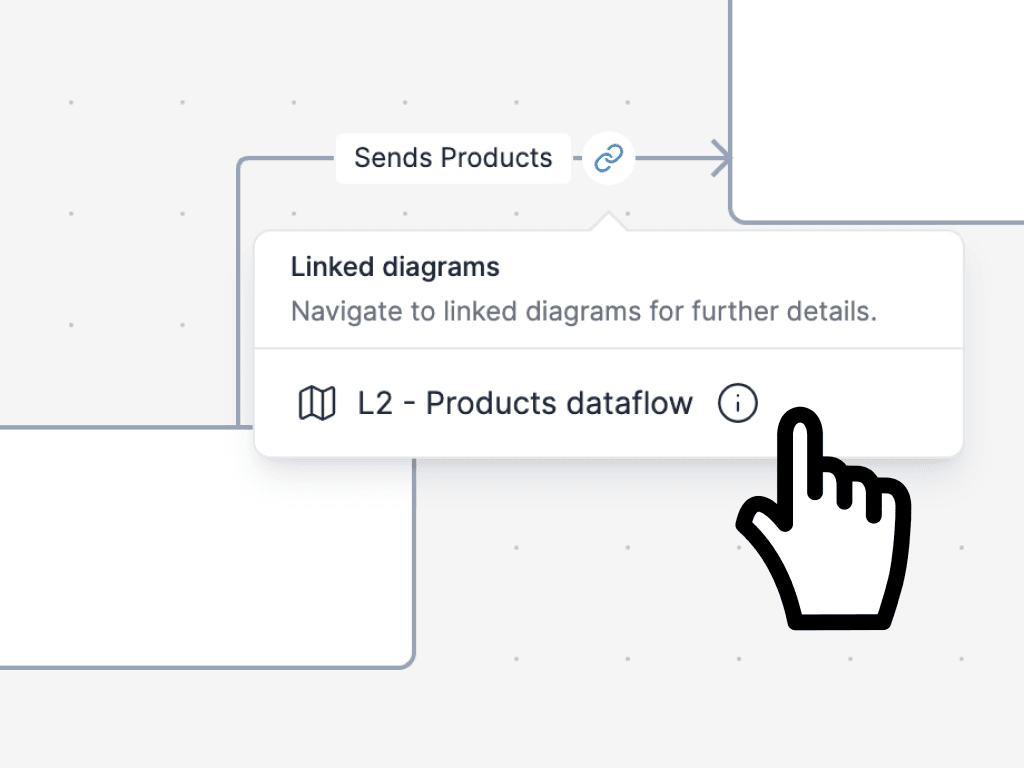
Linked diagrams and reusable components make the same system stay consistent across views.
Miro can support technical diagrams, but its broader product story is not centered on one reusable architecture model.
Built for architecture work that needs to live in YAML, JSON, API, Git, and CI/CD workflows, not just on a canvas.
Better for collaborative diagramming and workshop outputs, with technical diagram support, but not centered on architecture as a reusable model inside engineering workflows.
Best when many people need to read the architecture docs and a smaller group needs to edit them.
Best when lots of people need to co-create in workshops, boards, and real-time visual sessions.
Focused on architecture documentation instead of trying to be the whole workspace for many adjacent jobs.
Broader across docs, tables, slides, facilitation, whiteboarding, and product collaboration.
Starts with a 14-day free trial and charges only for editors. Readers stay free.
Offers a real free plan, then broader collaboration tiers with member-based pricing and board limits on free.
Choose Revision if your real problem starts after the first workshop - when diagrams drift, trust drops, and updating one view means manually fixing others. Revision is built for architecture docs that stay clear and current as the system changes.
Reusable components and linked views help teams avoid board sprawl and contradictory versions of the same architecture.
YAML, API, Git, CI/CD, and AI workflows make Revision a better fit once architecture has to live inside real delivery workflows.
Free readers and stakeholders make it easier to roll architecture docs out across teams, clients, and decision makers.
Miro is much stronger when you need sticky notes, facilitation, planning, ideation, and many cross-functional sessions in one place.
Miro brings boards, docs, tables, slides, diagrams, and collaboration tools into one broader workspace.
Miro has a real free plan and a much broader public story around templates, imports, and collaboration features.
Choose Miro if architecture is only one small part of a broader collaboration workflow. If your team mainly needs workshops, facilitation, planning, and shared canvases - and does not need a model-backed architecture source of truth - Miro is likely the better fit.
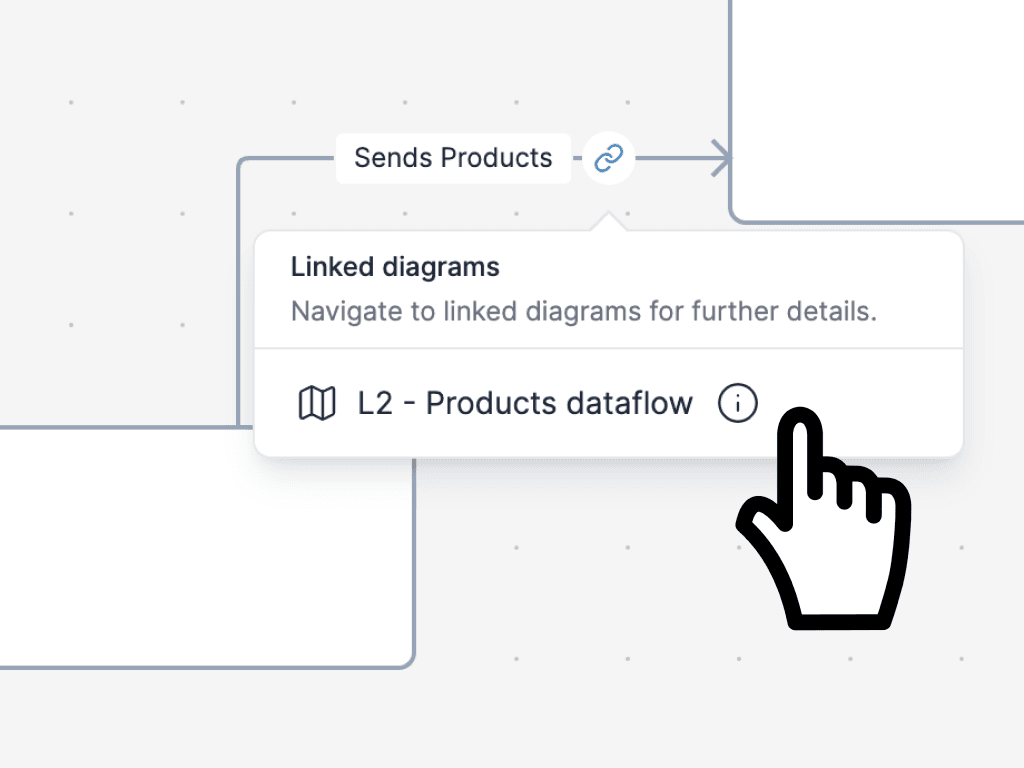
- One model behind multiple diagrams
- Reusable components instead of repeated board objects
- Linked views for context, detail, and explanation
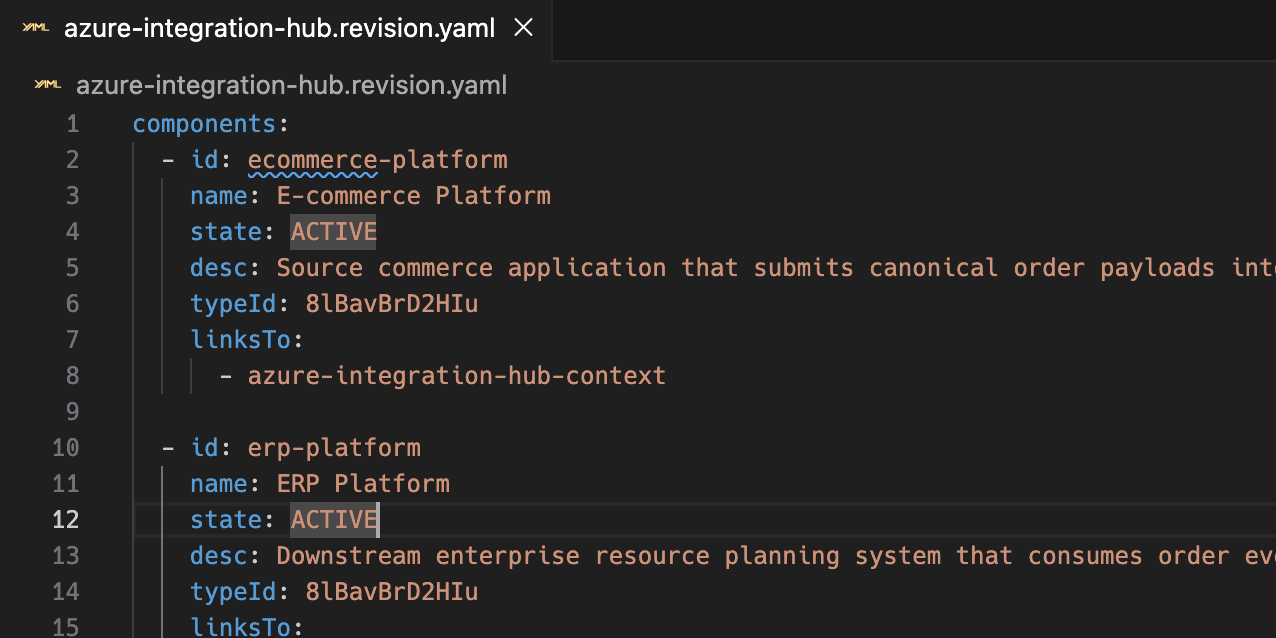
- Draft diagrams in YAML or JSON
- Review architecture changes in pull requests
- Sync updates through API and CI/CD workflows
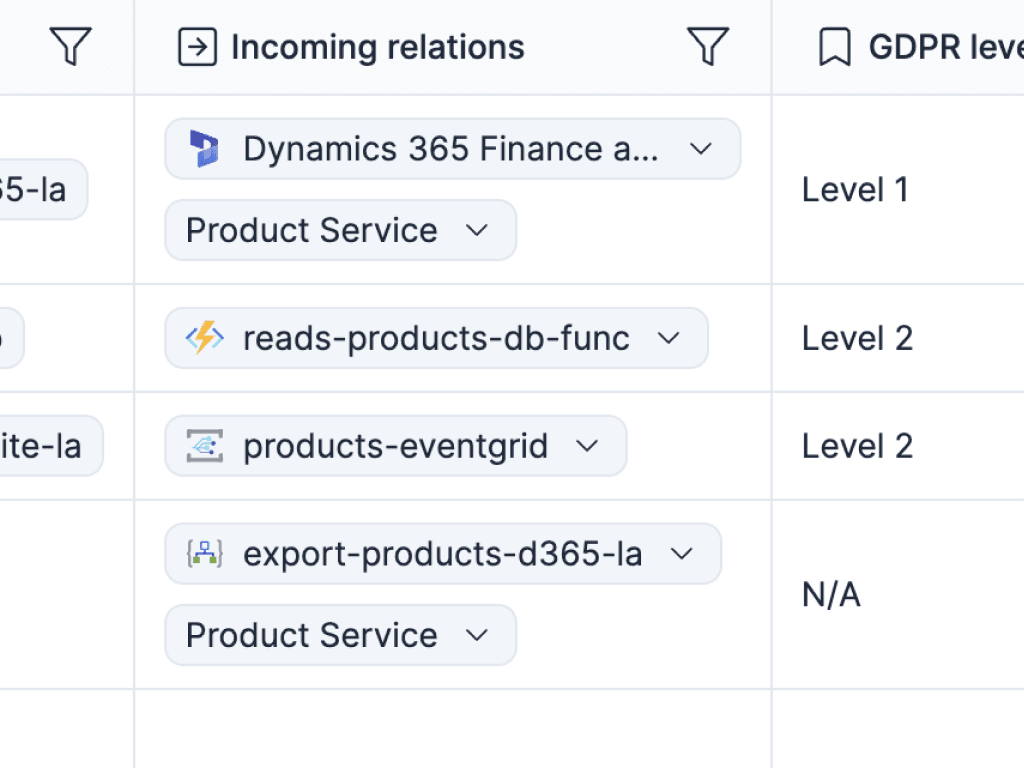
- Trace dependencies and answer impact questions faster
- Document current and future state in the same workspace
- Keep architecture docs useful between design sessions
.png&w=2048&q=75)
- Free readers and stakeholders
- Live links and always-updated embeds
- A cleaner rollout path for architecture docs across teams and clients
Read the broader case for architecture docs that stay useful after the first workshop.
Read moreSee why drawing alone eventually breaks down when teams need one architecture story.
Read moreSee how Revision combines diagrams people can read with workflows engineers can automate.
Read moreSee how Revision handles rollout across contributors, stakeholders, and consulting teams.
Read more

Because the structure is built in, our documentation stays consistent without extra work.
It's faster to write, review, and understand, which makes it much easier to keep the architecture current.
Straight answers for teams choosing between Revision and Miro.
Start a free trial and create architecture docs your team will actually keep updated.
Give editors a shared model behind every diagram, let stakeholders read for free, and keep your architecture clear as the system evolves.
No credit card required