Revision vsIcePanel.Revision vs IcePanel.
IcePanel is C4-focused. Revision is built for living docs that are easier to share and maintain.
No credit card required
.png&w=3840&q=75)
Teams that need architecture docs to stay current through linked diagrams, a shared model, and engineering-friendly workflows.
Teams that want a C4-focused modeling tool with a free tier and strong public C4 learning content.
Practical C4. Keep the structure that helps and adapt the rest when real systems need more context.
C4 is closer to the center of the product and content story, with strong public guidance around the model.
Broader support for YAML, JSON, API, Git, CI/CD, AI, and agent-oriented workflows.
Public integrations include REST API, MCP, and webhooks.
Free readers and stakeholders, plus a strong consulting and client-sharing story.
Unlimited viewers and protected sharing on paid plans, with cloud collaboration as a core strength.
Built for teams that need the model to stay useful after diagramming - answering dependency questions, comparing current and future state, and fitting into existing doc workflows.
Puts modeling features like flows, tags, drafts, and domains more visibly at the center for teams that want those concepts front and center.
Starts with a 14-day free trial and charges only for editors. Readers stay free.
Offers a real free tier for up to 5 editors before teams move to paid plans.
Linked diagrams, reusable components, and a shared model keep architecture from drifting into disconnected exports.
Revision keeps the clarity of C4, but it does not force every architecture conversation into rigid purity tests.
YAML, API, Git, CI/CD, and AI workflows make Revision a good fit for teams that want docs close to engineering work.
Free readers and the consulting plan make Revision easier to share with stakeholders and clients without extra editor cost.
IcePanel has a real free tier, which lowers the barrier for early exploration and smaller teams.
IcePanel leans harder into C4 education and product framing, which may suit teams that want that model at the center of everything.
Flows, tags, drafts, domains, and related concepts are clearly surfaced in IcePanel's public product story.
IcePanel is a sensible fit if lowering the initial barrier matters more than getting Revision's model-backed sharing and developer workflow strengths from day one.
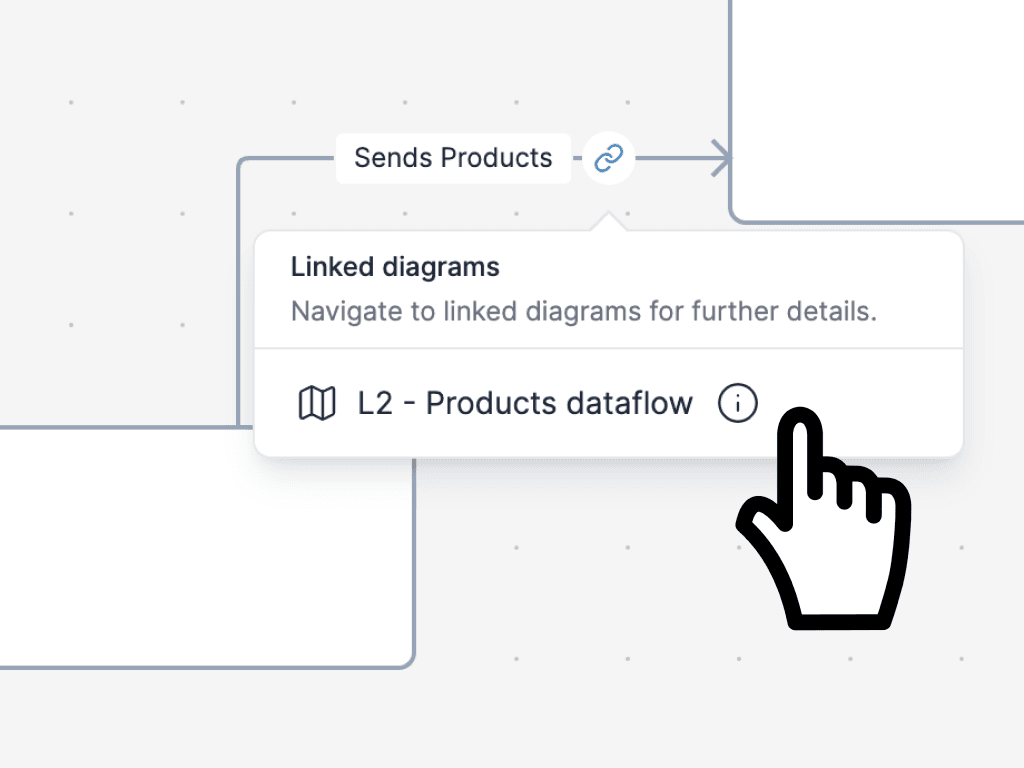
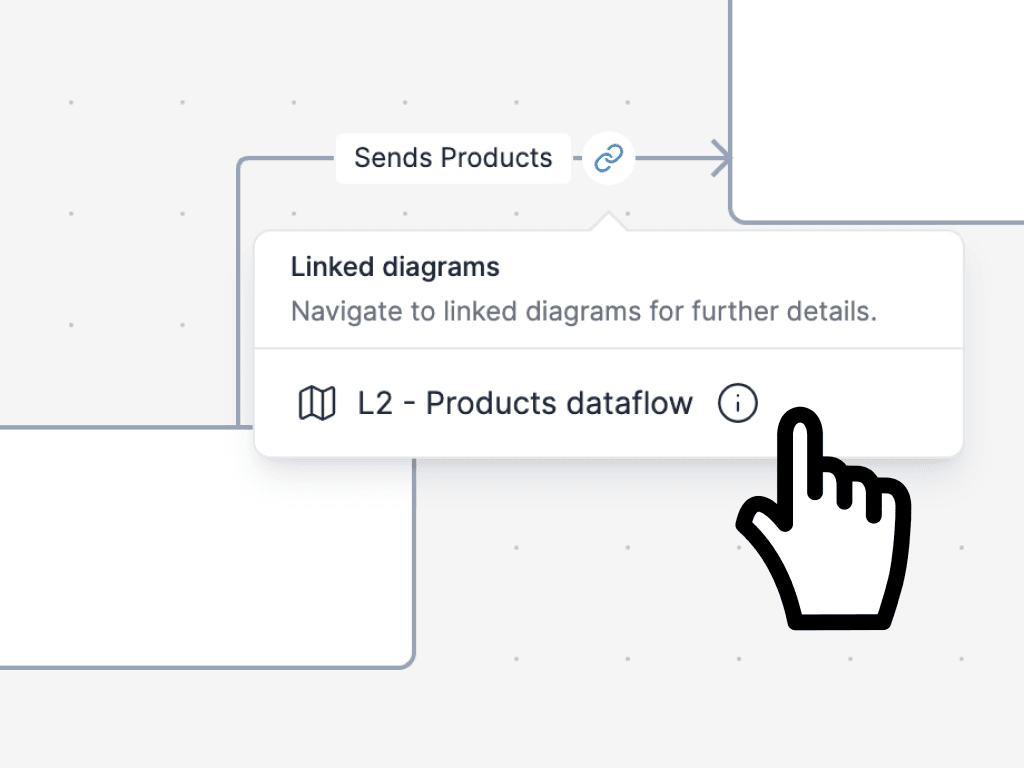
- Start with Context and Container views, then go deeper only when it helps
- Keep linked diagrams readable for engineers and stakeholders
- Bring flow, deployment, and supporting context close when it improves understanding
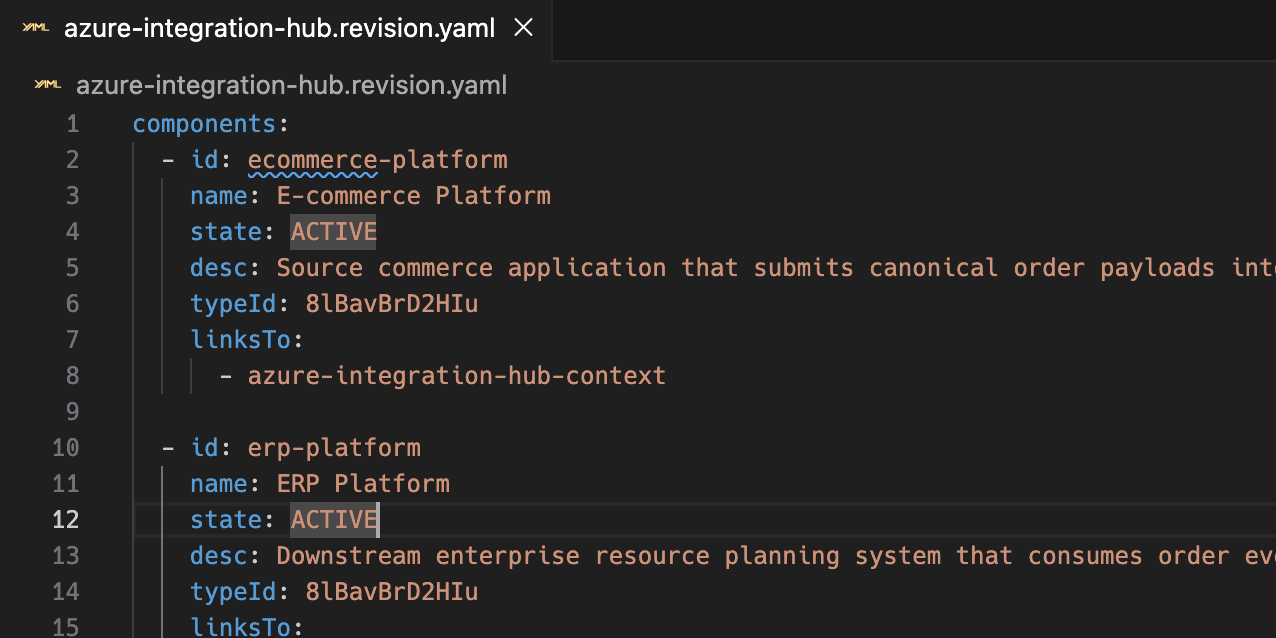
- Draft diagrams in YAML or JSON
- Review architecture changes in pull requests
- Sync updates through API calls or CI/CD
.png&w=2048&q=75)
- Free readers and stakeholders
- Live links and always-updated embeds
- A consulting plan built for separate client organizations
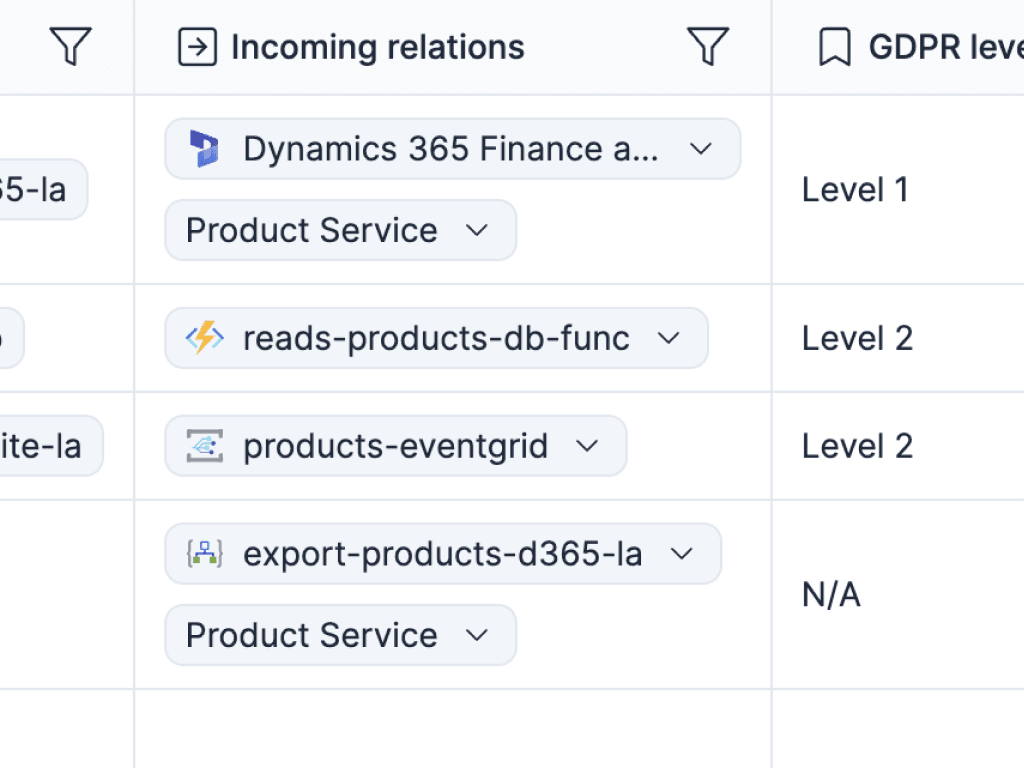
- Trace dependencies and answer impact questions faster
- Document current and future state in the same workspace
- Sync or enrich the model from existing systems and integrations
See how Revision keeps C4 useful without forcing teams into rigid compliance.
Read moreSee the developer workflow story that separates Revision most clearly from IcePanel.
Read moreRead the tradeoffs behind the C4 recommendations this comparison is based on.
Read moreSee how Revision handles readers, stakeholders, consultants, and client organizations.
Read more

Because the structure is built in, our documentation stays consistent without extra work.
It's faster to write, review, and understand, which makes it much easier to keep the architecture current.
Straight answers for teams deciding between Revision and IcePanel.
Start your free trial and replace stale diagrams with living architecture docs.
Create clear linked diagrams, keep one shared model behind them, and share current architecture with engineers, stakeholders, and clients without paying for reader seats.
No credit card required